

Theology of Food: Part 2
Honestly!
I take my high heels off to any mother who works and is still able to blog daily, or even monthly! Where does the time go? At the beginning of this I thought I was going to be at it at least once a week! Needles to point out my failure on that goal.
I have so many card tutorials lined up but if I am to do justice to any of them I have to postpone yet again to another time. For now, I thought that I’d share part two of Vera’s theology of food talk. Happy reading everybody…
“Further redemption of our relationship with food
Generous Eating
An application of “Do unto others as you would have them do to you”…
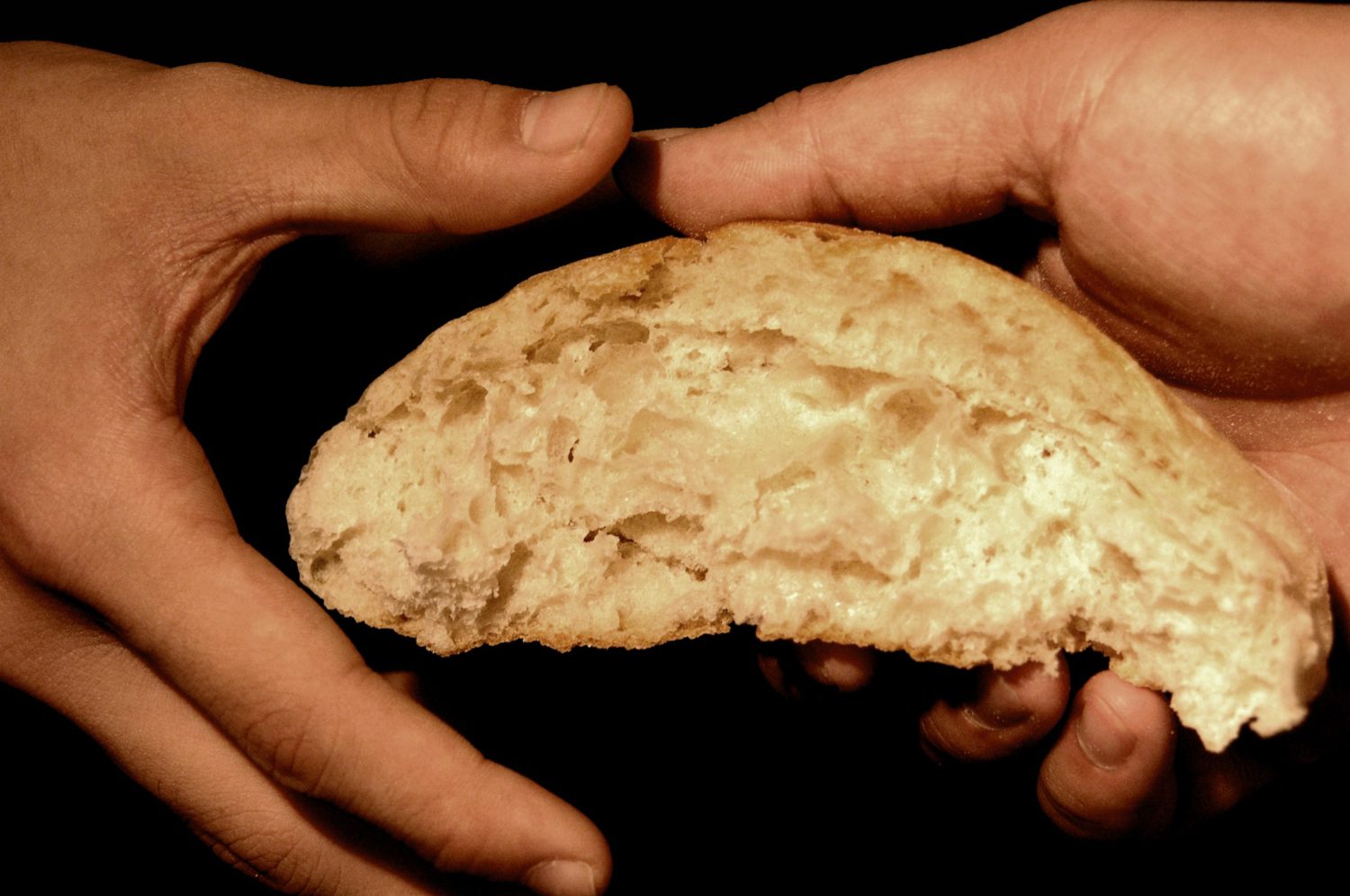
Being generous to those who have less than I do, sharing what I have, giving to the church pantry, or to hunger relief organisations like “The gift of the giver” supporting people in Alexandra affected by flooding.
It also involves an awareness of where the food on my table comes from and how the people involved in the production live. Are they being treated as fellow humans made in God’s image or are they being exploited? Here one can look specifically at coffee, chocolate, hazelnuts – where a fair amount of research is available and one can access information on whether a company is buying from sources where slave labour is used. You may be convicted to change your buying habits: buy a different product, stop buying a specific one or buy less of a more expensive product instead of a lot of a cheap one. How we spend our money matters and I think we do it too often without conscious deliberation. We just think of ourselves and getting the best bargain. We do have a relationship of responsibility with the people we are buying from but often they are so far removed from us that we can forget how our choices affect them. Perhaps we can buy closer to home and actually get to know the people that supply the food that lands on our tables.
Some questions to ask:
- How can I get involved in feeding the hungry – hunger relief projects as well as practical plans for people that cross my path e.g. the beggar at the robot?
- Who are the people involved in getting food my food to my table? Are they paid a fair wage? Do they go hungry?
- What are the working conditions of people involved in my food provision? Are they getting sick because of poisons they are exposed to? (Cancer, respiratory diseases) Are they developing stress injuries because of working hours and repetitive movements?
- How can I put my money where my mouth or ideology is?”
I’m making this short because the next part is a bit longish. The hope is that you can go back to the first part and link the two. Well, till next time, happy blogging everybody!